GRIT

Not talent. Not luck. Grit. Have you ever thought about what brings out the best in your people?—not just at the beginning, but for the long run?

When I ask managers whether they’d rather hire a “natural talent” or someone who knows how to work hard, most say: “Give me the team player, no question.”
But when it comes down to it? They often go with the talent.
And that makes sense—talent is easy to spot and immediately impressive.
But here’s the truth: talent gives you a head start. What gets you to the finish line—is grit.

Grit is what keeps people focused.
It’s the fuel that drives perseverance through failure, through routine, through frustration.
But grit isn’t just about working hard. It’s about determination that’s powered by meaning—by passion, by purpose, by something bigger that keeps pulling you forward, even when you feel like giving up.

So how can you spot grit in a candidate?
Look for the two defining traits of gritty people: perseverance and hope.
You’ll see it in their life story—the urge to improve, to learn, to refine.
And that hope? It’s not naive optimism like “everything will work out.” It’s active hope—a deep belief:
“If I focus on what I can control, keep going, keep growing—the results will come.”

Now take that mindset—and imagine an entire team that lives and breathes it.
🧭 So how do you build a culture of grit?
Normalize trial and error—it’s not failure, it’s progress.
Give feedback on effort, not just outcomes.
Show practical optimism—“Here’s how we’ll get better.”
And most of all—be the example yourself.

Want to learn more about building grit in your team? Reach out here or privately: yael@blat-lapidot.co.il

So who needs luck? Start building grit 😉 Dr. Yael Lapidot

Seeing the Unseen

Mapping the “Soft Risks” in Core System Implementations

When organizations implement core systems, such as ERP or CRM, they invest heavily in mapping technical and budgetary risks. But after working with hundreds of change initiatives, we’ve learned something crucial: it’s often the “soft” risks-the human and organizational ones—that ultimately determine success or failure.

Over the past 35 years, through hands-on work in hundreds of change projects, we realized that something critical was missing: a professional tool for identifying and addressing the “organizational winds” — those hidden forces that quietly shape the success or failure of change. In response to this need, we developed a unique model for mapping soft risks. Unlike traditional approaches based on surveys and questionnaires, our model combines in-depth interviews, analysis across five zones of influence, quantitative processing of findings, and, most importantly, translating insights into practical, customized action plans. This method enables us to uncover what typically remains beneath the surface — and to address it effectively.

How do you spot “organizational winds”?

In our experience, the key to success lies in identifying the underlying organizational dynamics early on — before they surface and impact the project. To achieve this, we categorize all organizational risks — both visible and hidden — into five core areas. This framework provides a structured approach to mapping the full spectrum of forces that can influence the project, from beneath the surface to the front lines.

Let’s walk through them:

Culture & Values – This is the deepest layer — the unspoken rules, ingrained behaviors, and organizational memory that shape daily life. In one leading company, we found that so-called “weak” mid-level managers wielded significant influence through informal networks. By tapping into this hidden power, they became powerful agents of change.

Politics & Power Dynamics. Here, we uncover the real influence map: Who makes decisions? How do power relations play out between departments? Where are the centers of resistance hiding? Accurate mapping in this arena once helped us turn an entire finance division from a barrier into a driver of change.

Worth noting: sometimes the key influencers are a single person, a small team, or an entire unit. And quite often, they’re not at the top, but at the bottom of the organizational pyramid.

Processes & Structure Organizational dynamics are also reflected in processes and structure. This is where we uncover the gap between theory and practice. How does information flow across the organization? Where are formal procedures being bypassed — and why? What are the weak points in internal communication?

In one large financial organization, we uncovered an entire ecosystem of creative workarounds developed by employees. Instead of dismissing them, we incorporated these solutions into the new system and leveraged them as a means of innovation.

Project Arena

Here we zoom in on the project’s internal dynamics. Is there a clear definition of who’s responsible for what, and is that clarity shared among all stakeholders? How are decisions made? Is a sense of team spirit being maintained throughout the process?

In one complex project, IT took full responsibility while business leaders remained passive critics. By creating a well-defined IT-business partnership model, we completely shifted the dynamic from disconnection to collaboration.

Management Arena

We assess leaders’ ability and willingness to lead change. What styles dominate? How are messages communicated? How are managers perceived on the ground? These insights directly inform how we support and equip managers through the change journey.

From Insight to Action

The real value of soft risk mapping lies in its ability to turn insights into practical action. Each insight is translated into a concrete, tailored action plan that fits the organization’s unique reality.

Early-stage mapping at one large industrial company revealed an “organizational trauma” stemming from a previous project failure. Instead of brushing it aside, we built a rollout process that included “pause and reflect” checkpoints at every critical stage, with complete transparency around challenges and successes. The result? Remarkable: not only did we achieve a 92% adoption rate for the new system, but we also rebuilt trust between leadership and employees.

Looking Ahead

The success of a tech-driven change project isn’t just about technology and budget. It’s about your ability to detect, decode, and manage the hidden forces driving your organization.

Soft risk mapping is more than just a management tool — it’s a way of seeing what usually goes unnoticed, and turning it from a threat into an opportunity.

In a world where 70% of digital transformation projects fail due to “soft” issues, the ability to surface and manage these risks early is not a luxury — it’s a necessity.

The results speak for themselves:🚀 Faster return to full productivity📈 Higher adoption rates🤝 Stronger trust and commitment across the organization.

The Three-Exposure Model for Change Management

In the world of information systems implementation, one of the greatest challenges is creating genuine user readiness for the new system. Based on our experience supporting over 1,000 IT projects, we developed a unique model built around three critical touchpoints with end users — the Three-Exposure Model.

Why three exposures?

The model is based on the insight that user adaptation to a new system requires several “touches” at different stages of the project. Each exposure serves a distinct purpose in building readiness, trust, and engagement.

First exposure: Building understanding and motivation

The first exposure focuses on three main goals:

  • Understanding the business rationale behind the change
  • Creating initial motivation to engage in the process
  • Building a positive reputation for the project

At this stage, we present users with the big picture — the business drivers for the change and the expected benefits, both at the individual and organizational levels.

Second exposure: Encountering the new reality

The second exposure includes:

  • In-depth familiarity with the new processes
  • Identifying opportunities and gaps from the users’ perspective
  • Initial hands-on experience with the system

This is the stage where users begin to truly “touch” the change — understanding how it will affect their day-to-day work, and raising practical concerns and questions.

Third exposure: Preparing for go-live

The third exposure focuses on:

  • Preparing for potential scenarios and failure cases
  • Familiarity with the support and guidance framework
  • Aligning expectations ahead of go-live

The goal at this stage is to build user confidence — ensuring they know how to operate in different situations and feel fully supported during the transition period.

The key to success: mitigation, timing, and continuity

The success of the model depends on two core factors:

  1. Precise timing of each exposure in alignment with the project phases
  2. Maintaining continuity and coherence between exposures

It is important to note that between exposures, complementary activities take place, such as management workshops, change agent training, and internal communication initiatives.

Proven results in the field

Implementing the model across dozens of organizations has led to impressive results:

  • Faster return to full productivity
  • High system adoption rates within the first month
  • High user satisfaction with both the change and the implementation process

In conclusion

The Three-Exposure Model provides a structured framework for implementing complex change while addressing both the psychological and practical needs of users. It enables a gradual build-up of readiness and commitment and serves as a core tool in the toolkit of successful change management.

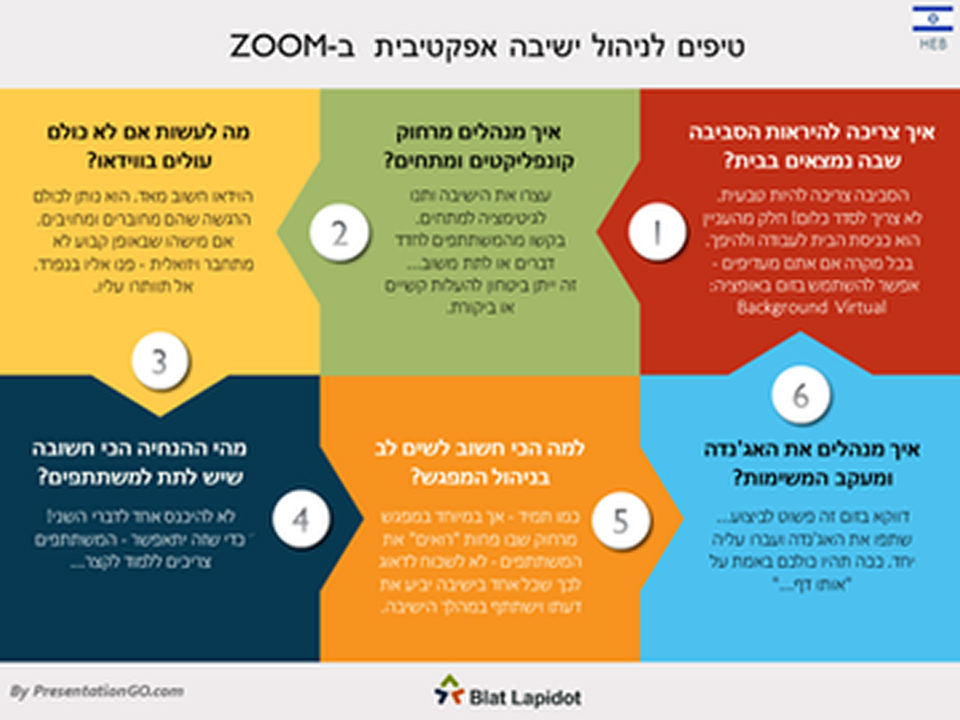
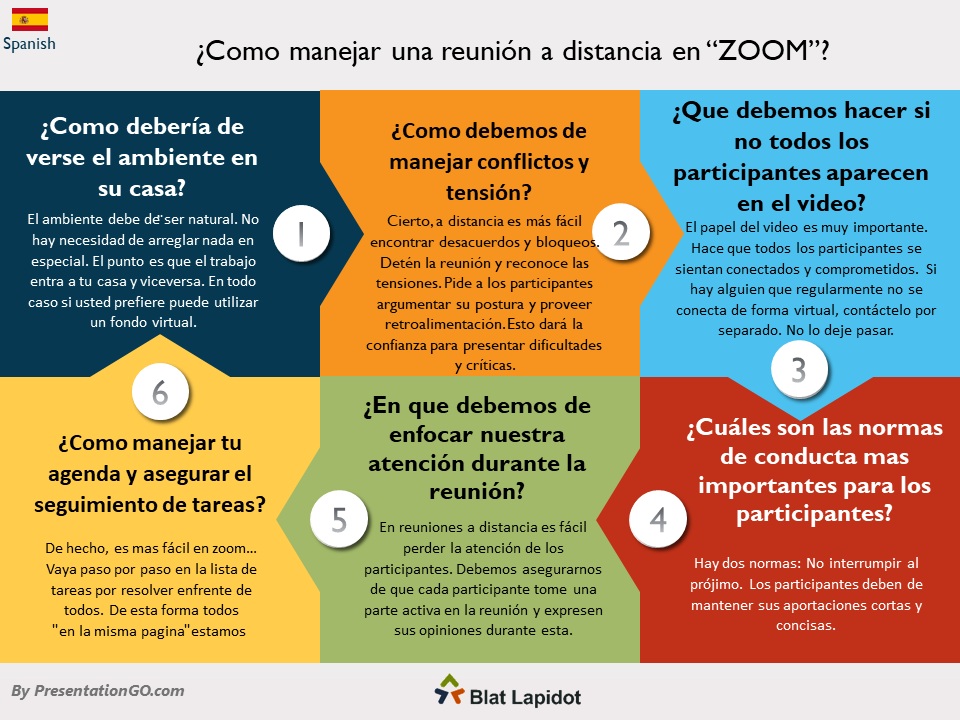
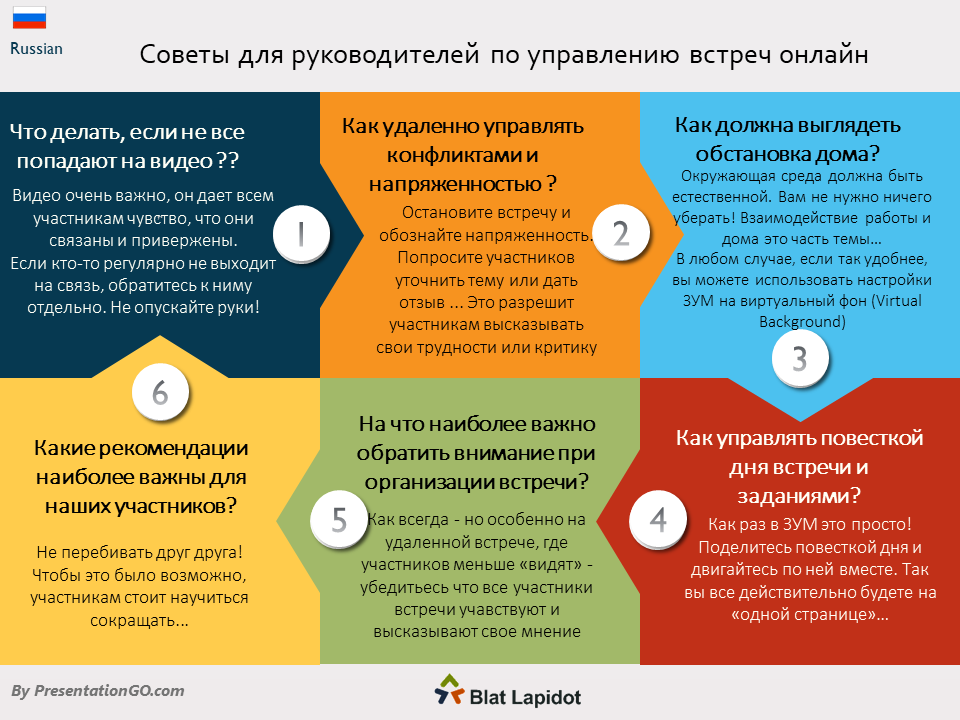
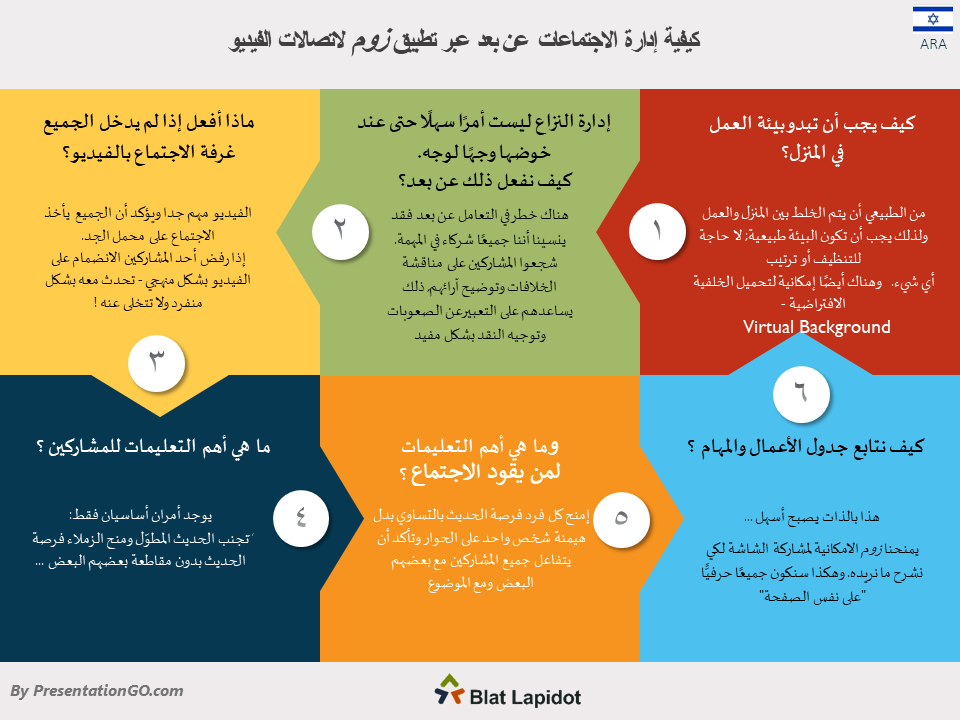
How to manage remote meeting

Weird days, Easter and Passover in the shade of the Corona. This year at “Blat Lapidot team”, we decided to share for free the answers to the most frequently asked questions – how to manage fluency a zoom meeting. The world is small and we have translated for you into Arabic, German, French, Italian, Hungarian, Russian, Spanish and more ..stay safe!!

Who fakes change management?

CEOs, stop and read this – it can happen right under your nose … Many times, we encounter a situation in which the CEO is sure that the “change management “process is taking place by the book, but in practice there is none happening …. There is insufficient planning, lack of cooperation from the senior stakeholders, no risk management, no experts help … The reason is simple. Managers have a high ability to improvise, to find creative solutions and to invest efforts in order to fix problem. Often, they lack management skills: to harness participants, to share decisions, communicate massages from senior management, to train and guide. We asked ourselves: Is it easier to put out fires than to make a change? The answer is probably yes. That is why we say that managing change is easy to talk about, difficult to implement.

Everyone is happy with the employee except…..

This time we will bring the story of Hadas -a talented manager who has been struggling with a problem that has been bothering her for a long time. Hadas is a relatively young manager and manages the leading core product of the organization. Hadas turned to us due to a dilemma about one of her employees who she says is “overshadows my management.” Hadas says that Naomi was hired two years ago after a very successful interview in which she impressed her very much. The customers really like her. In contrast, the team does not like her at all. Naomi “does not let anyone express themselves.” She keeps reminding them of her experience, even when it is irrelevant. It is a very complicated situation. The customers keep asking for her. She receives only positive feedback from internal interfaces in the company. The team doesn’t satisfy Hadas says that she has spoken with her countless times, set boundaries and explained herself softly, assertively, kindly, but there has been almost no change. What would you suggest? For those who have come across a similar case, we are available for personal consultation on Messenger

The five most important practices for achieving organizational change

Experiential train through varied and unexpected and experiential methods Repetition – repeat the vision and the changes that are expected each time through a different channel Consistent- guide the managers to a uniform and clarify message Buy in- Give positive reinforcement by defining the functionality of the change for each employee Connection – adapt all organizational systems to the change – recruitment and absorption, assessment and feedback, communication, control, training and research

The CEO Trap

The first words spoken by the CEO at a kick-off meeting are the key sentence that we get almost every time we begin a change process: “The present situation it is impossible, everyone understands this. There won’t be no issue with adapting to the change here”. This sentence includes two contradictions and if we do not know how to identify them, we encounter barriers to the change, exposed and unprepared: First, the difficulties of adapting to change are often emotional. Therefore, a “logical” solution will not adequately address most situations. Second, it appears that even when there is agreement as to the disadvantages of the existing situation, there is no agreement on the right solution Everyone has an idea or a different way of thinking as to what is the right change. How do you manage this confusing situation? Most importantly, do not fall into the trap of “everyone wants change.” Plan a gradual and structured change, and especially – share all stakeholders in all relevant decision crossroads! The agreements will divert from dissatisfaction to creating a joint solution

A new CEO asks

I was appointed as a manager in an experienced company. This is not my first job, but I was still surprised to find a large, tired and unambitious staff. One-on-one they often talk about successes and praise themselves. I do not want to destroy their confidence, but they need to be realistic. We raised the question in our senior executives’ course and received practical answers: – Awareness – The way to achieve it is balanced feedback. Give real feedback which should always be composed of “improve and preserve”. – Data – Sometimes the answer is simple. Prepare a control report to analyze the existing situation. Each manager will analyze his responsibilities according to the report and write what he intends to change – Definitions – Sometimes out of a desire to say things directly, we forget to plan our message so that it gets said in a way that can be heard. Design your feedback so it can be accepted and adopted. The group’s summary was worn-out but true: It is not important to be right, it is important to be smart – do not just say everything you think, but find the right time, place and with the appropriate respect

Pool Tools – The Social Toolbox for Managers

Managerial development is moving beyond the classroom and one-on-one meetings toward the social channel. Our team frequently meets managers who consult with us and struggle with everyday dilemmas. We assumed you’ve probably encountered similar situations, and thought it would be worthwhile to turn our collective experience into a shared social toolbox for managers.

We will raise dilemmas, and you are invited to share, bring up similar situations, and suggest tools for “our manager.” On our end, we are available for personal consultation via video messenger or written messenger to continue discussing dilemmas on a personal and confidential basis.

This time, we’ll look at the case of “Keren Ltd.” (a fictional name, of course), a mid-sized company operating in a highly competitive market. The owner is also the CEO—very aggressive, works around the clock, and believes this is the only right way. He struggles to accept that senior managers have lives outside of work. His attitude toward people is strictly “black and white.”

He is surrounded by two “rings.”
The inner ring consists of a small clique: two out of five VPs and the company’s bookkeeper—his confidants, completely loyal to him.
The second ring includes five division managers who work day and night, receive generous bonuses, and are occasionally recognized. When he is dissatisfied, however, they are met with coldness and sometimes even open aggression. For the most part, they are extremely busy and barely have time to lift their heads.

The market is small and niche, and managers are afraid to leave because everyone knows everyone, and recommendations are critical. A young manager approached us with the following question:
“I really want to develop the team leader who reports to me and strengthen him, but I know that if I expose him to the CEO, he is likely to take harsh ricochets and lose his confidence. On the other hand, if I protect him behind closed doors, he will never be exposed to the real professional world, and I won’t be able to properly mentor him. What would you suggest she do? A dilemma…”